inal penalties including fines up to three hundred thousand euros or five percent of annual revenue and up to two years in prison for violations.
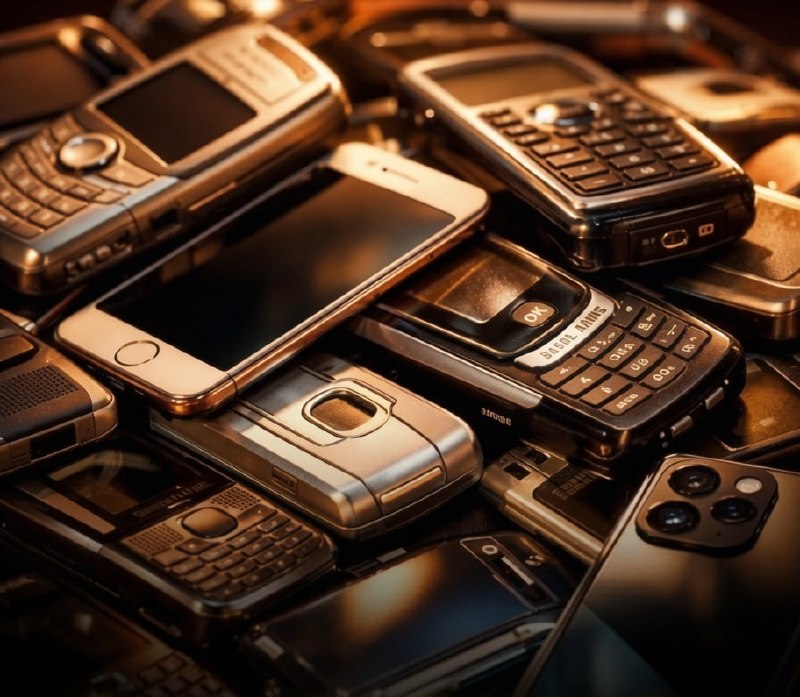
inal penalties including fines up to three hundred thousand euros or five percent of annual revenue and up to two years in prison for violations. The law emerged from the advocacy of activist Laetitia Vasseur and her organization HOP Stop Planned Obsolescence which highlighted how many consumer goods were difficult or costly to repair.A prominent enforcement case involved Apple which faced scrutiny for software updates that slowed older iPhones to manage battery performance. In 2020 the company paid a twenty five million euro fine and issued a public notice admitting to deceptive practices. France has complemented the ban with practical measures such as a repairability index scoring products from one to ten based on disassembly ease parts availability and tools required. This rating now covers a wide range of electronics and appliances. A repair fund subsidizes costs at approved centers while manufacturers must disclose spare part availability periods.These initiatives have inspired broader European Union policies on right to repair including mandates for replaceable batteries and accessible components. Frances comprehensive approach demonstrates how targeted regulations can promote sustainable consumption and empower consumers against wasteful manufacturing practices.Did you know? 🎓
Comments
Be the first comment