Canada is officially phasing out the era of captive whales, dolphins, and porpoises for entertainment purposes.The Ending the Captivity of Whales and Dolphins Act (Bill S-203) marked a fundamental advancement in marine mammal welfare. By amending the Criminal Code and Fisheries Act, the legislation prohibits:- Capturing cetaceans from the wild.- Breeding them in captivity.- Keeping them for public display or entertainment.Exceptions are allowed for rehabilitation, scientific research (under strict licensing), or cases where release is not feasible. A grandfather clause permits facilities to retain animals already in captivity at the time of enactment—ensuring these are the final generation held in tanks for such purposes. It also bans the trade of reproductive materials, closing potential loopholes for sustaining the industry.Beyond the immediate ban, the law prohibits the trade of reproductive materials, closing loopholes that could sustain the industry. The focus has now shifted toward compassionate retirement, with major initiatives underway to relocate the remaining captive whales to natural coastal sanctuaries in provinces like Nova Scotia by 2026. These efforts, supported by animal rights advocates and scientists, aim to provide a more natural environment for these sentient beings while allowing for essential research and rehabilitation under strict licensing.Did you know? 🎓
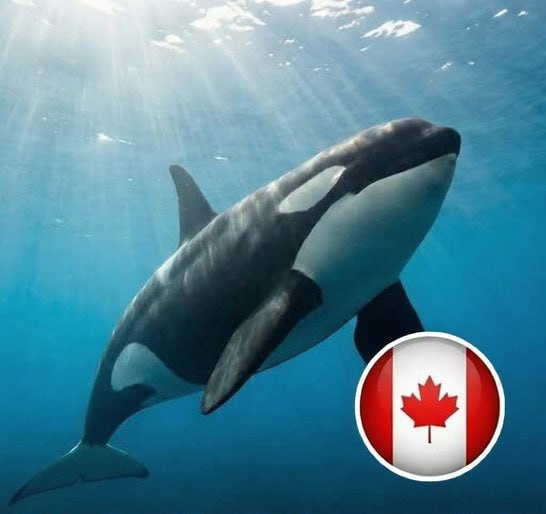
Canada is officially phasing out the era of captive whales, dolphins, and porpoises for entertainment purposes.The Ending the Captivity of Whales and Dolphins Act (Bill S-203) marked a fundamental advancement in marine mammal welfare. By amending the Criminal Code and Fisheries Act, the legislation prohibits:- Capturing cetaceans from the wild.- Breeding them in captivity.- Keeping them for public display or entertainment.Exceptions are allowed for rehabilitation, scientific research (under strict licensing), or cases where release is not feasible. A grandfather clause permits facilities to retain animals already in captivity at the time of enactment—ensuring these are the final generation held in tanks for such purposes. It also bans the trade of reproductive materials, closing potential loopholes for sustaining the industry.Beyond the immediate ban, the law prohibits the trade of reproductive materials, closing loopholes that could sustain the industry. The focus has now shifted toward compassionate retirement, with major initiatives underway to relocate the remaining captive whales to natural coastal sanctuaries in provinces like Nova Scotia by 2026. These efforts, supported by animal rights advocates and scientists, aim to provide a more natural environment for these sentient beings while allowing for essential research and rehabilitation under strict licensing.Did you know? 🎓
Comments
Be the first comment