This microscopic 'genetic pirate' is rewriting the rules of evolution.It steals functional DNA from the plants and bacteria it eats.Microscopic bdelloid rotifers are challenging our traditional understanding of genetics by acting as biological scavengers. These tiny aquatic creatures possess a genome where nearly 10% of their active genes originate from foreign sources, including bacteria, fungi, and plants. By utilizing specialized 'chainsaw' mouthparts to grind up their food, they release genetic material that eventually integrates into their own DNA. This extraordinary process, known as horizontal gene transfer, allows them to acquire complex functional traits—such as the ability to produce antibiotics—directly from the organisms they consume.The secret to this genetic theft lies in the rotifer’s remarkable resilience to extreme dehydration. When these organisms undergo desiccation, their chromosomes fracture into pieces. Upon rehydration, their highly efficient DNA repair mechanisms kick into gear, stitching their genetic code back together while inadvertently weaving in fragments of foreign DNA present in their cells. This unique evolutionary adaptation not only facilitates rapid genetic diversification but also equips the rotifers with the metabolic tools necessary to thrive in volatile environments that would be fatal to most other animals.Source: National Institutes of Health. (2021). Horizontal Gene Transfer and DNA Repair in Bdelloid Rotifers. National Center for Biotechnology Information.Science and facts💡
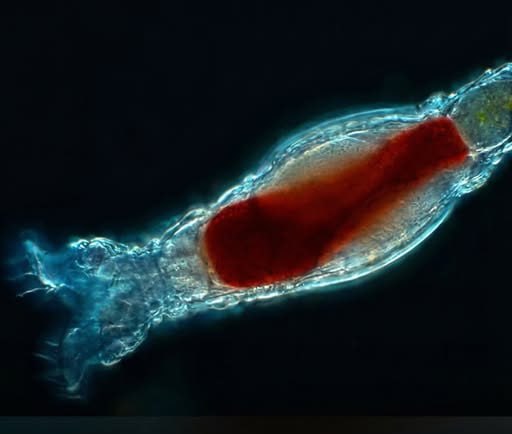
This microscopic 'genetic pirate' is rewriting the rules of evolution.It steals functional DNA from the plants and bacteria it eats.Microscopic bdelloid rotifers are challenging our traditional understanding of genetics by acting as biological scavengers. These tiny aquatic creatures possess a genome where nearly 10% of their active genes originate from foreign sources, including bacteria, fungi, and plants. By utilizing specialized 'chainsaw' mouthparts to grind up their food, they release genetic material that eventually integrates into their own DNA. This extraordinary process, known as horizontal gene transfer, allows them to acquire complex functional traits—such as the ability to produce antibiotics—directly from the organisms they consume.The secret to this genetic theft lies in the rotifer’s remarkable resilience to extreme dehydration. When these organisms undergo desiccation, their chromosomes fracture into pieces. Upon rehydration, their highly efficient DNA repair mechanisms kick into gear, stitching their genetic code back together while inadvertently weaving in fragments of foreign DNA present in their cells. This unique evolutionary adaptation not only facilitates rapid genetic diversification but also equips the rotifers with the metabolic tools necessary to thrive in volatile environments that would be fatal to most other animals.Source: National Institutes of Health. (2021). Horizontal Gene Transfer and DNA Repair in Bdelloid Rotifers. National Center for Biotechnology Information.Science and facts💡
Comments
Be the first comment