The Northern Aral Sea is staging an extraordinary revival — its water volume has surged by an impressive 42%!Once the site of one of the planet’s most devastating environmental catastrophes, the Northern Aral Sea in Kazakhstan is now emerging as a powerful symbol of ecological hope.Thanks to the construction of the Kok-Aral Dam and smarter regulation of the Syr Darya River’s flow, the northern basin now holds 27 billion cubic meters of water — a dramatic 42% increase. This vital barrier has successfully isolated the healthier northern section from the severely depleted southern Aral, allowing the “Small Aral” to stabilize and flourish.The transformation goes far beyond rising water levels. Salinity has dropped by nearly 75%, creating conditions where native fish species — long considered gone forever — are returning in force. Annual fish catches have climbed to around 8,000 tons, breathing new economic life into communities that had lost their primary livelihood when the sea retreated.Kazakhstan’s ongoing restoration efforts continue to build on this success, positioning the Northern Aral Sea as a shining global example that decisive engineering, sustained river management, and strong political commitment can reverse even the most severe ecological damage and restore life to seemingly lost landscapes.Science and facts💡
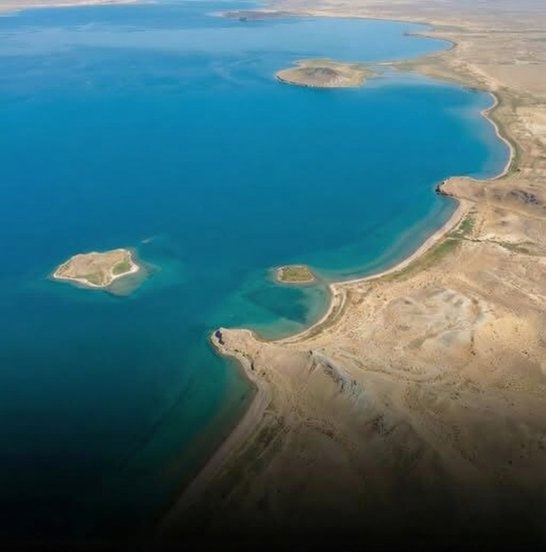
The Northern Aral Sea is staging an extraordinary revival — its water volume has surged by an impressive 42%!Once the site of one of the planet’s most devastating environmental catastrophes, the Northern Aral Sea in Kazakhstan is now emerging as a powerful symbol of ecological hope.Thanks to the construction of the Kok-Aral Dam and smarter regulation of the Syr Darya River’s flow, the northern basin now holds 27 billion cubic meters of water — a dramatic 42% increase. This vital barrier has successfully isolated the healthier northern section from the severely depleted southern Aral, allowing the “Small Aral” to stabilize and flourish.The transformation goes far beyond rising water levels. Salinity has dropped by nearly 75%, creating conditions where native fish species — long considered gone forever — are returning in force. Annual fish catches have climbed to around 8,000 tons, breathing new economic life into communities that had lost their primary livelihood when the sea retreated.Kazakhstan’s ongoing restoration efforts continue to build on this success, positioning the Northern Aral Sea as a shining global example that decisive engineering, sustained river management, and strong political commitment can reverse even the most severe ecological damage and restore life to seemingly lost landscapes.Science and facts💡
Comments
Be the first comment